A central theme of Parshas Ki Savo is the idea that we are the Chosen People of God. Why were we chosen, what are we chosen for, and what are the benefits and consequences of being chosen?
To make a donation to the rebuilding of the TORCH Centre please visit rebuildtorch.com
Rabbi Chaim of Volozhin was a man of extraordinary character and scholarship, and the most prominent disciple of the Gaon of Vilna, who succeeded him as leader of Lithuanian Jewry in the first two decades of the 19th Century. The yeshiva that he founded – the Volozhin Yeshiva – came to be known as the mother of all yeshivos because it spawned a revolution whose impact reverberates until today..
Hurricane Harvey was one of the most powerful storms to hit the USA. Unlike most hurricanes, there was not much a risk of wind causing devastating damage, at least for Houston. Instead, the concern was rain and the resultant flooding. This was due to several factors. For one, the sheer volume of water was staggering: In a typical year Houston sees around 50 inches of rain. This slowly moving storm itself deposited around that much rain in three days. Secondly, Houston is essentially entirely flat, and the ground is less absorbent than most, and therefore the city has developed unique systems for directing and managing heavy rainfall. A network of mini rivers, called bayous, are scattered throughout the city, and direct water towards the Gulf of Mexico. Also, streets and highways have been engineered to act as water basins for times of high rates of rainfall. The idea is to deliver water to the bayous at a manageable rate and thus prevent them from overflowing. This works great provided that there is no massive storms. The hurricane was so intense, and the rainfall rate was so unprecedented, that everything failed. The roads, highways, and bayous all overflowed and flooded anything in their wake. A house’s elevation and its proximity to the nearest bayou determined if it flooded.
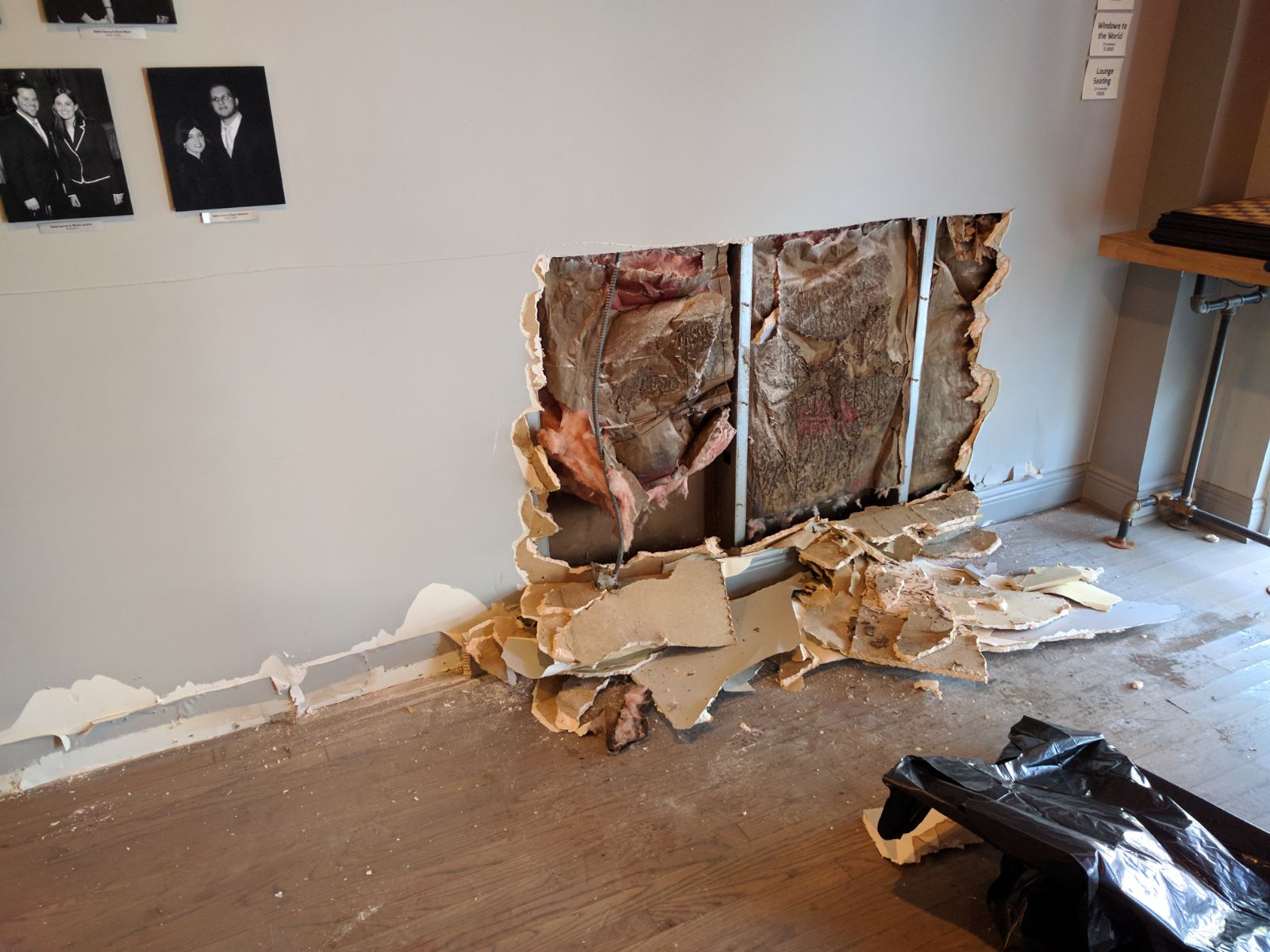
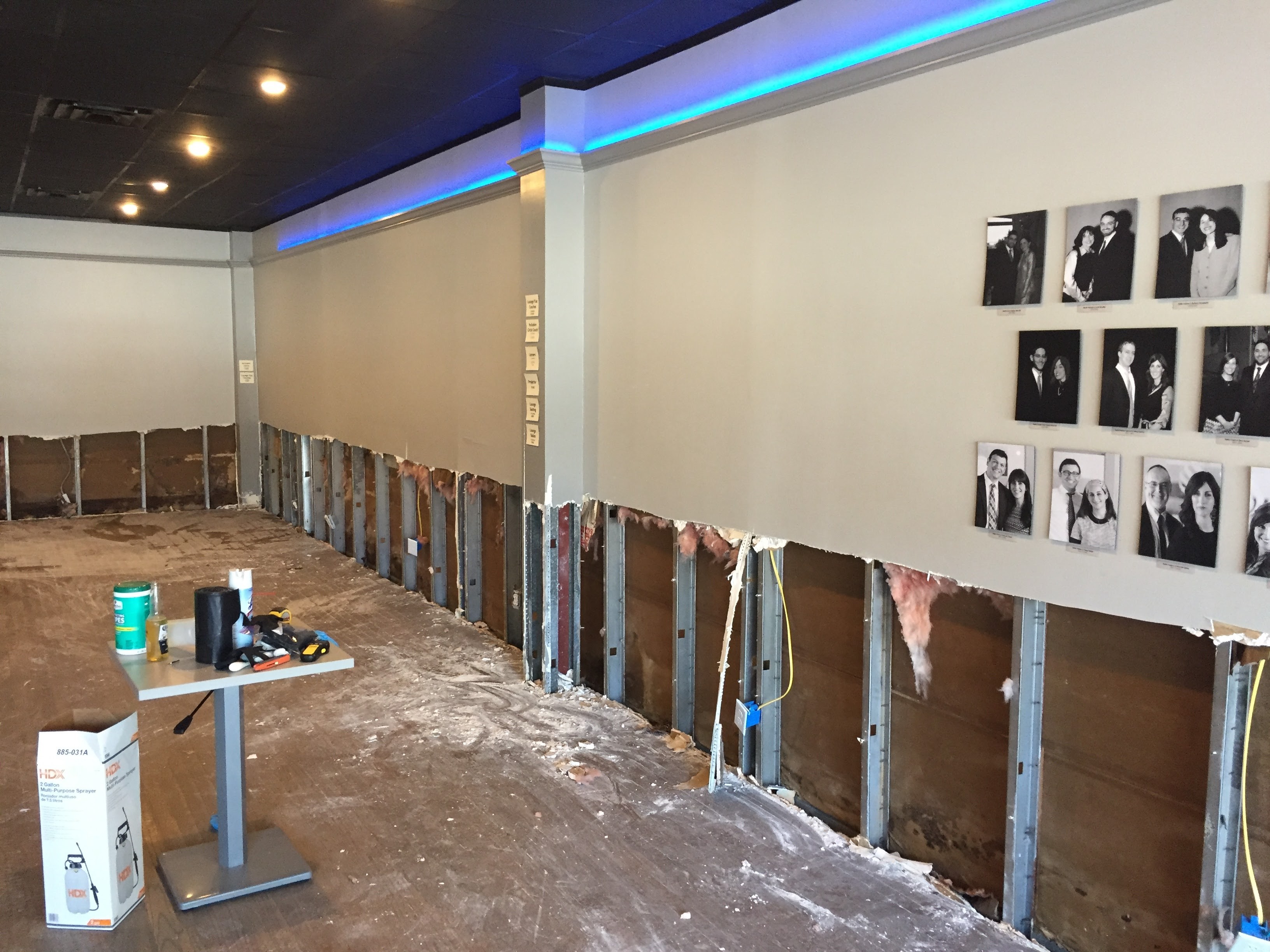
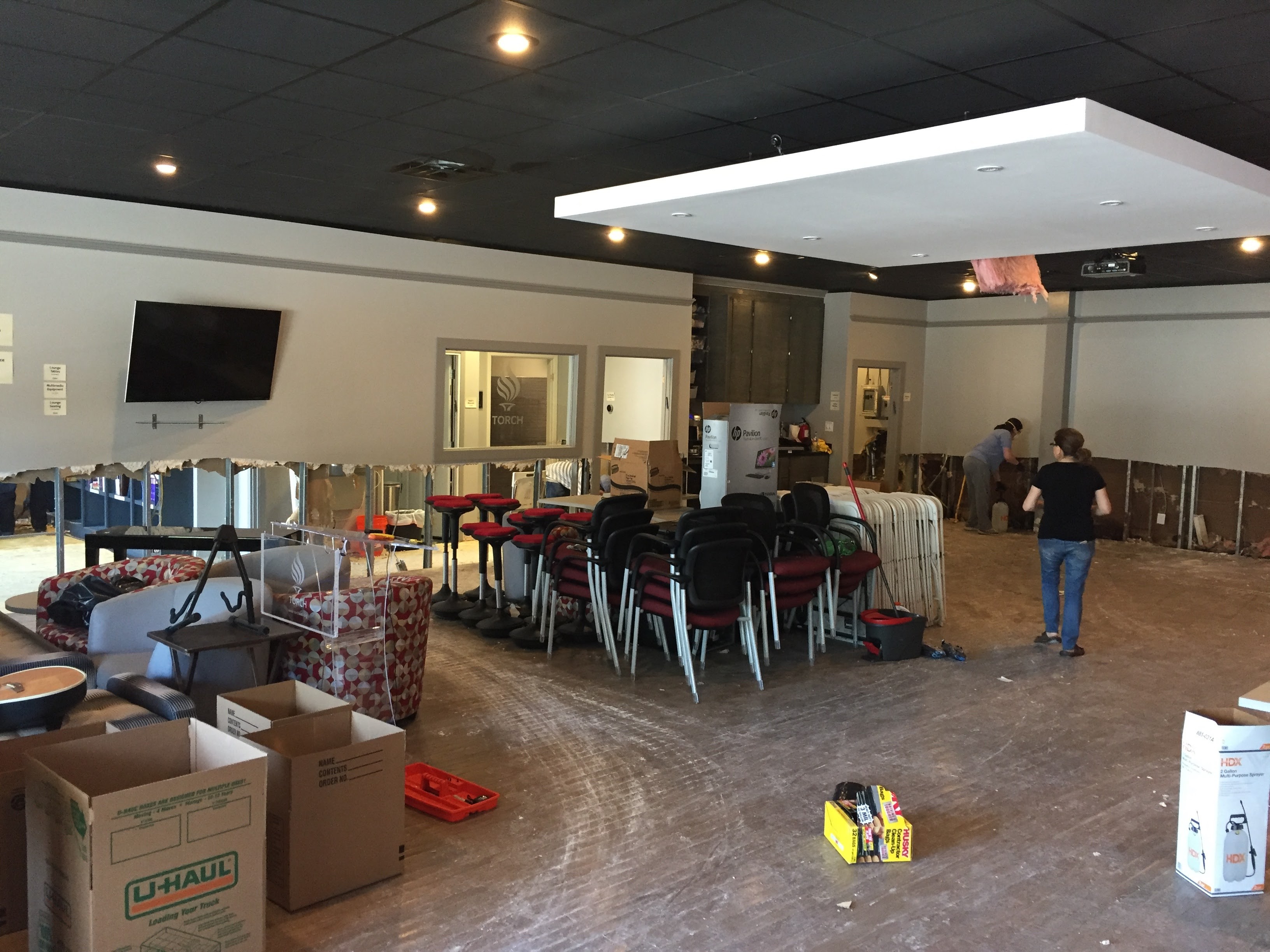
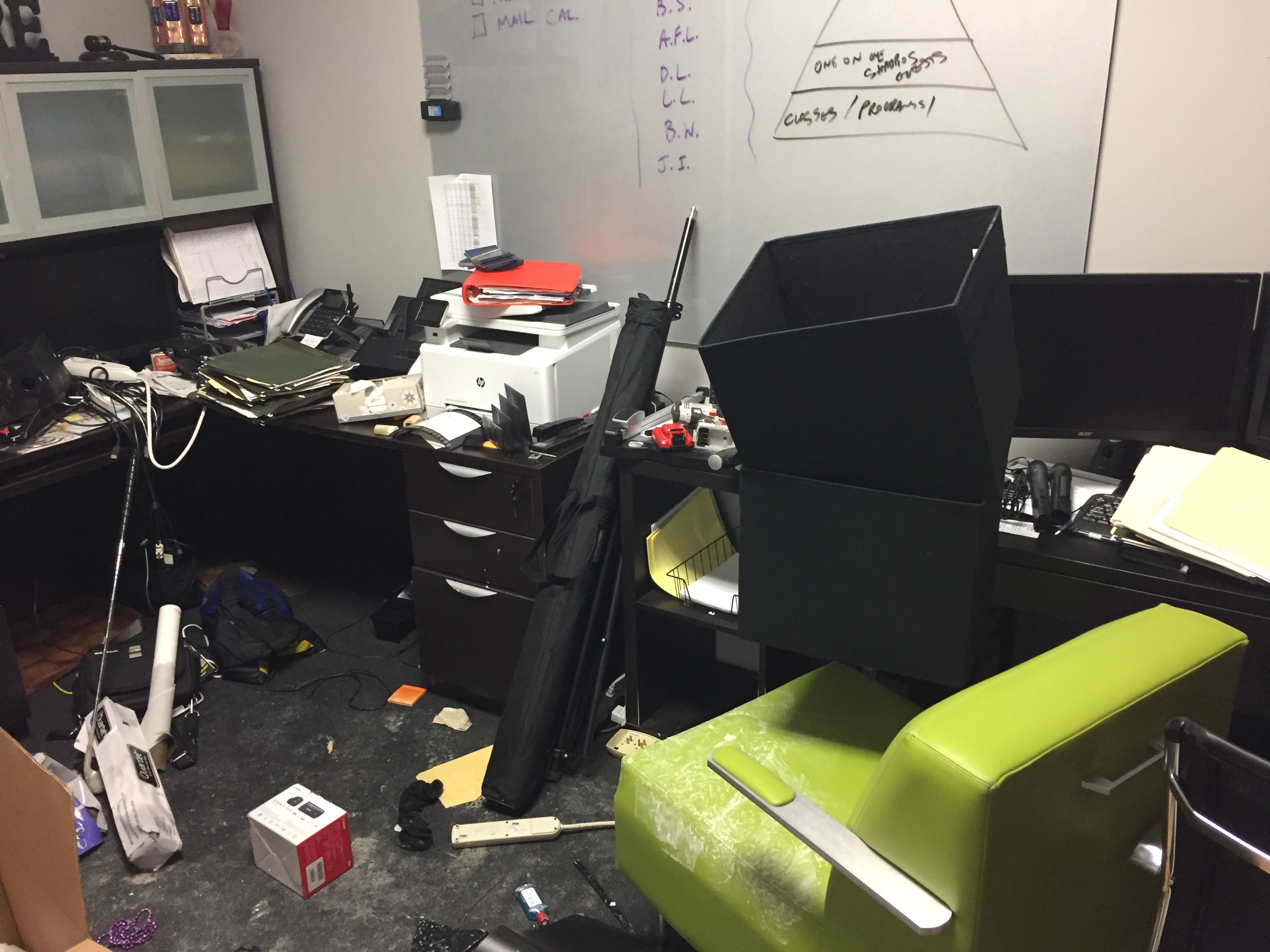
Thank God the neighborhood where we live is elevated and fairly far from the bayous and almost no houses were flooded. Some people lost power for a few hours (we did not lose power), the roads were impassable, but there was no significant damage. We had plenty of food and water (we stocked up in advance). In contrast, other neighborhoods that are closer to the Bayous experienced heavy catastrophic flooding. In these places, many feet of water would rush into homes. Some people had to go on the roof to avoid drowning. Sadly, the resplendant TORCH Centre suffered catastrophic damages.
TORCH Centre security cameras capture the rising waters
The TORCH Centre during happier times
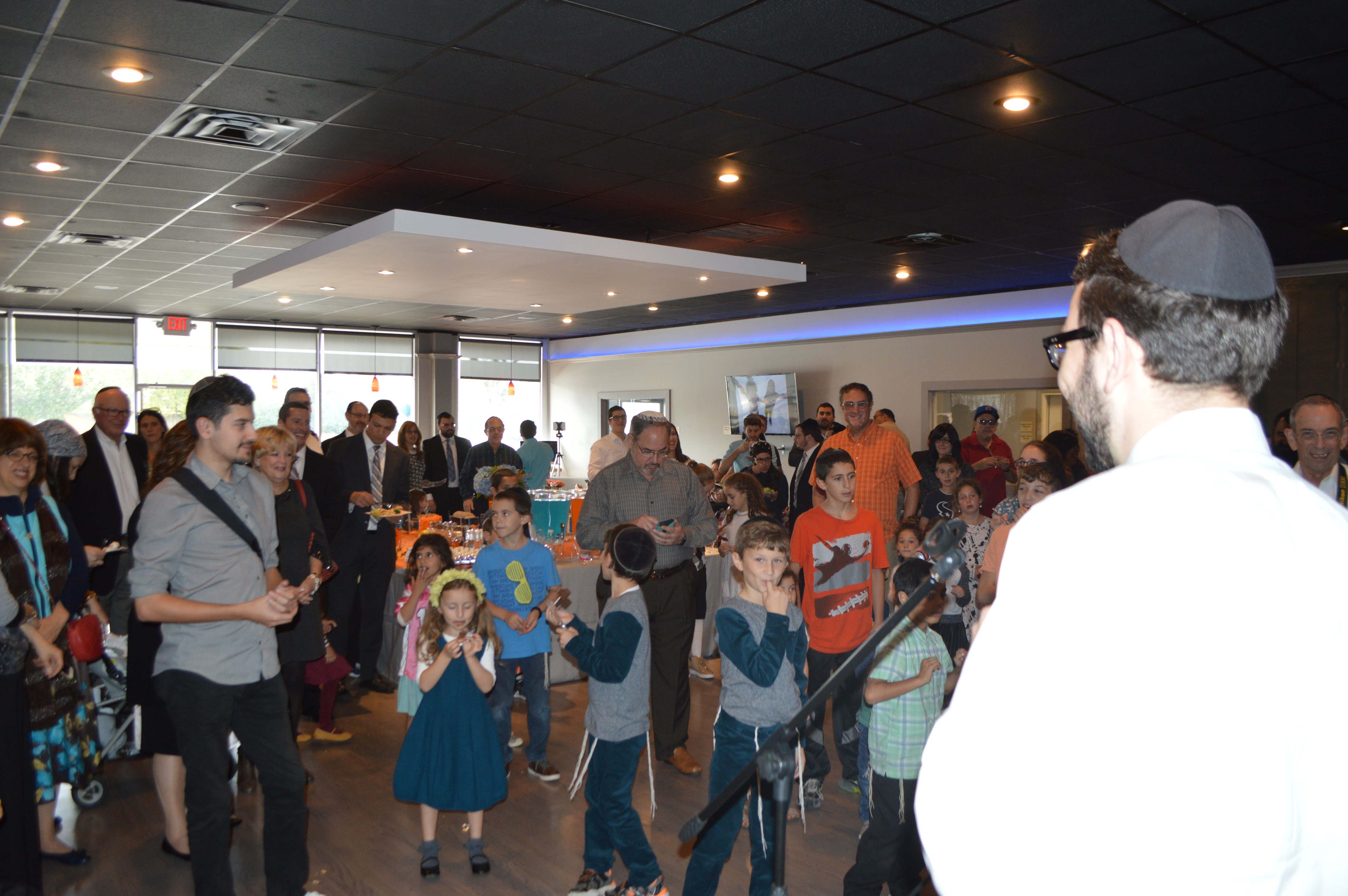
The TORCH Centre Grand Opening December 2016
Celebrating a bris at the TORCH Centre
Celebrating a double-upsherin of Shlomo Wolbe and Yitzi Wolbe
Celebrating a double-upsherin of Shlomo Wolbe and Yitzi Wolbe
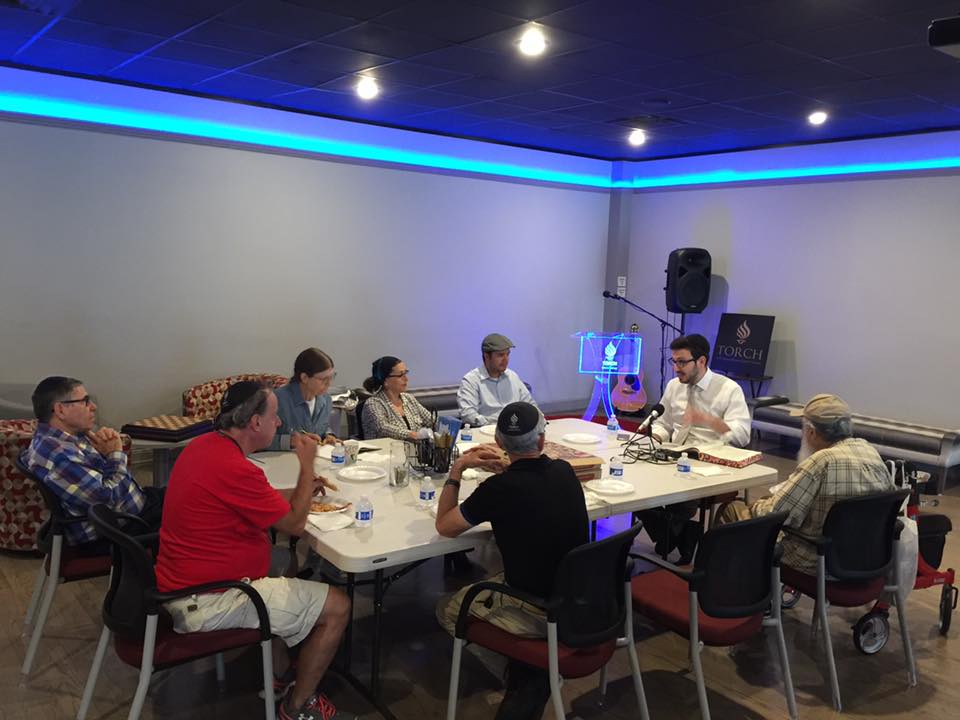
Rabbi Aryeh Wolbe giving a Torah lecture
On the day before Harvey struck, I gave a Talmud lecture
On Sunday during the height of the storm, Alex Gonik and his friend Hillel waded through the raging waters and videoed the TORCH Centre
By now the waters have receded in almost every part of Houston, but the damage remains. Houston as a city, and TORCH with respect to our Centre, face a monumental rebuilding efforts, that will be long and trying, but with the Almighty’s help we will forge ahead and rebuild it better than ever.
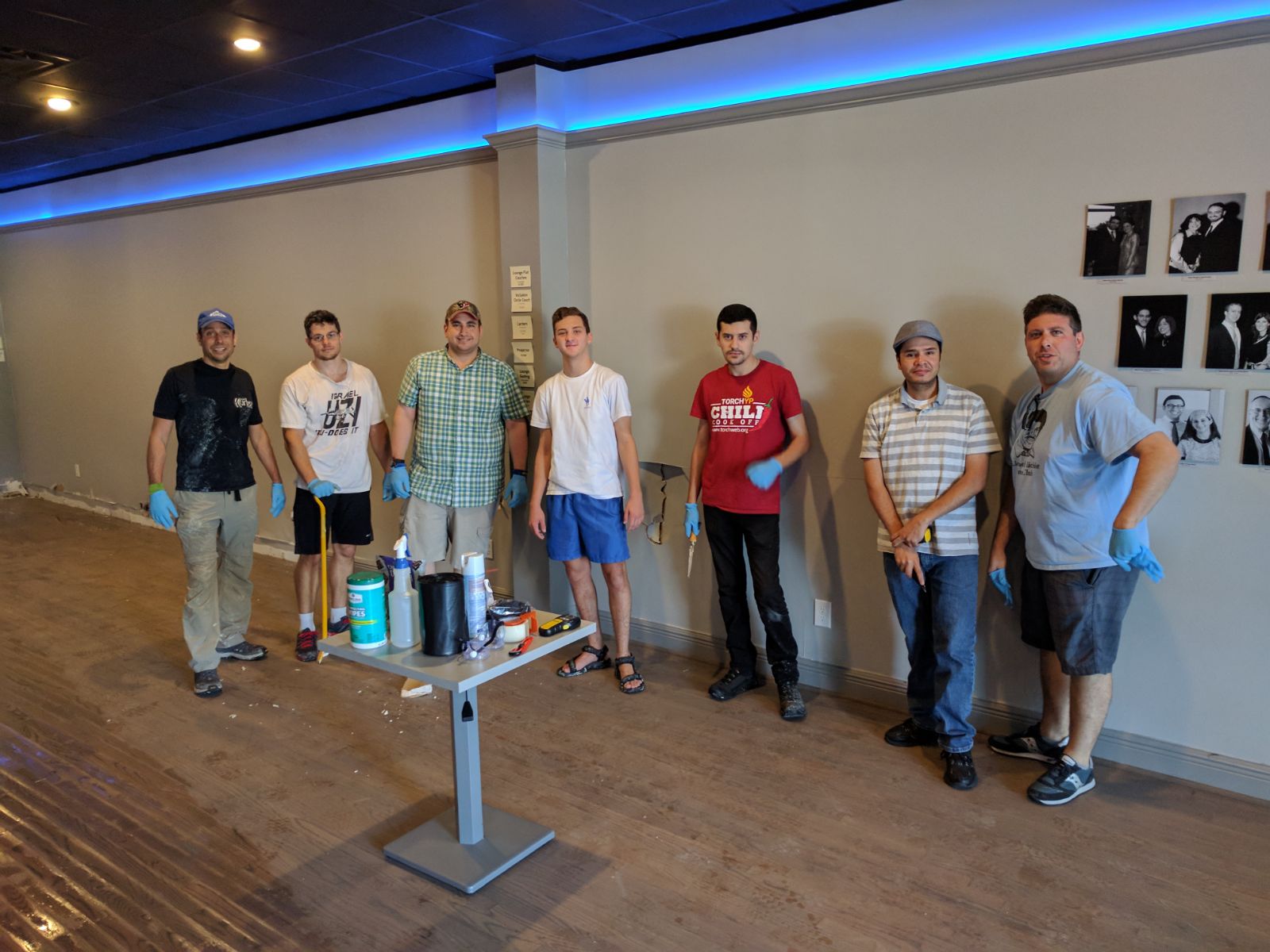
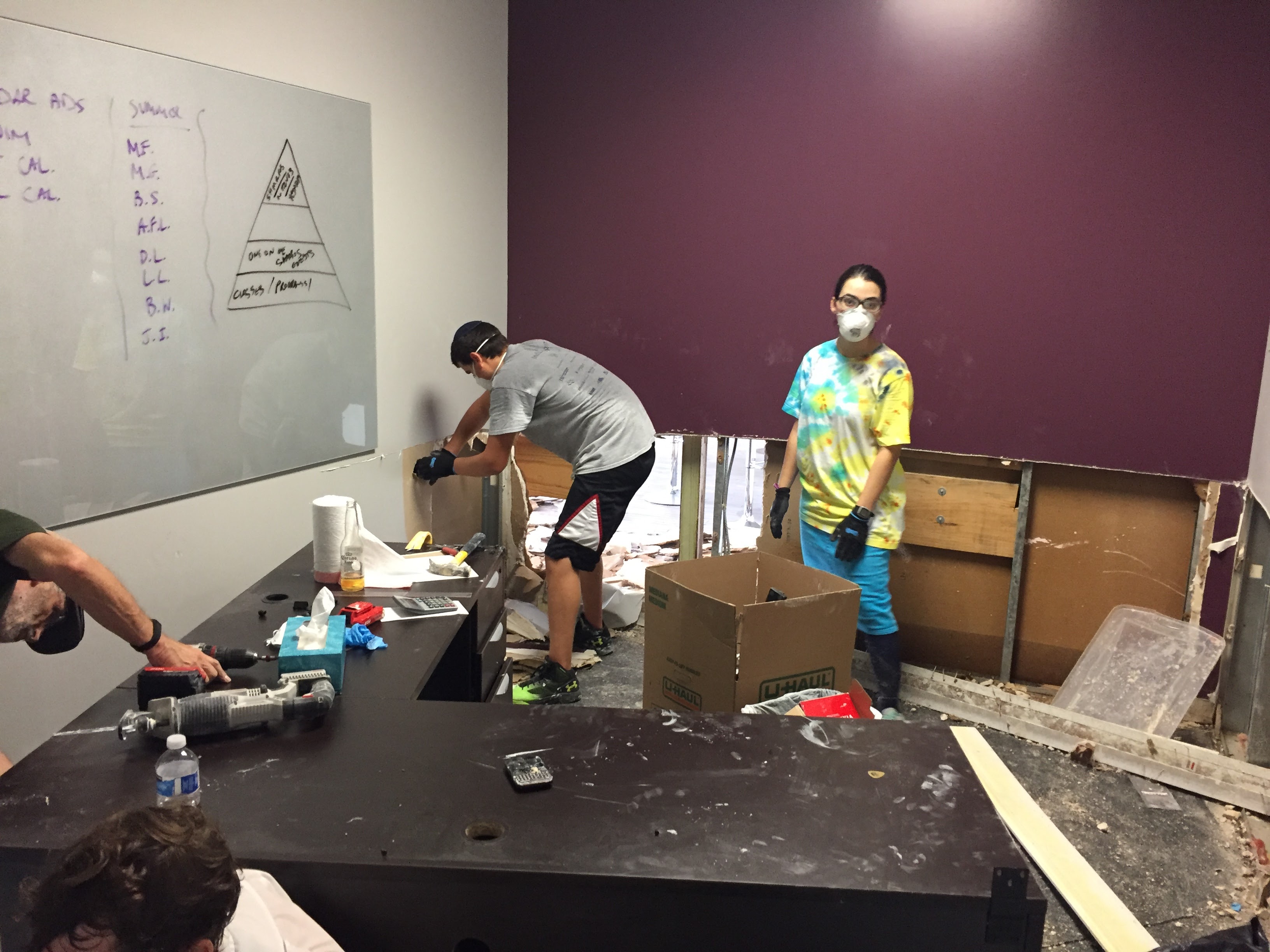
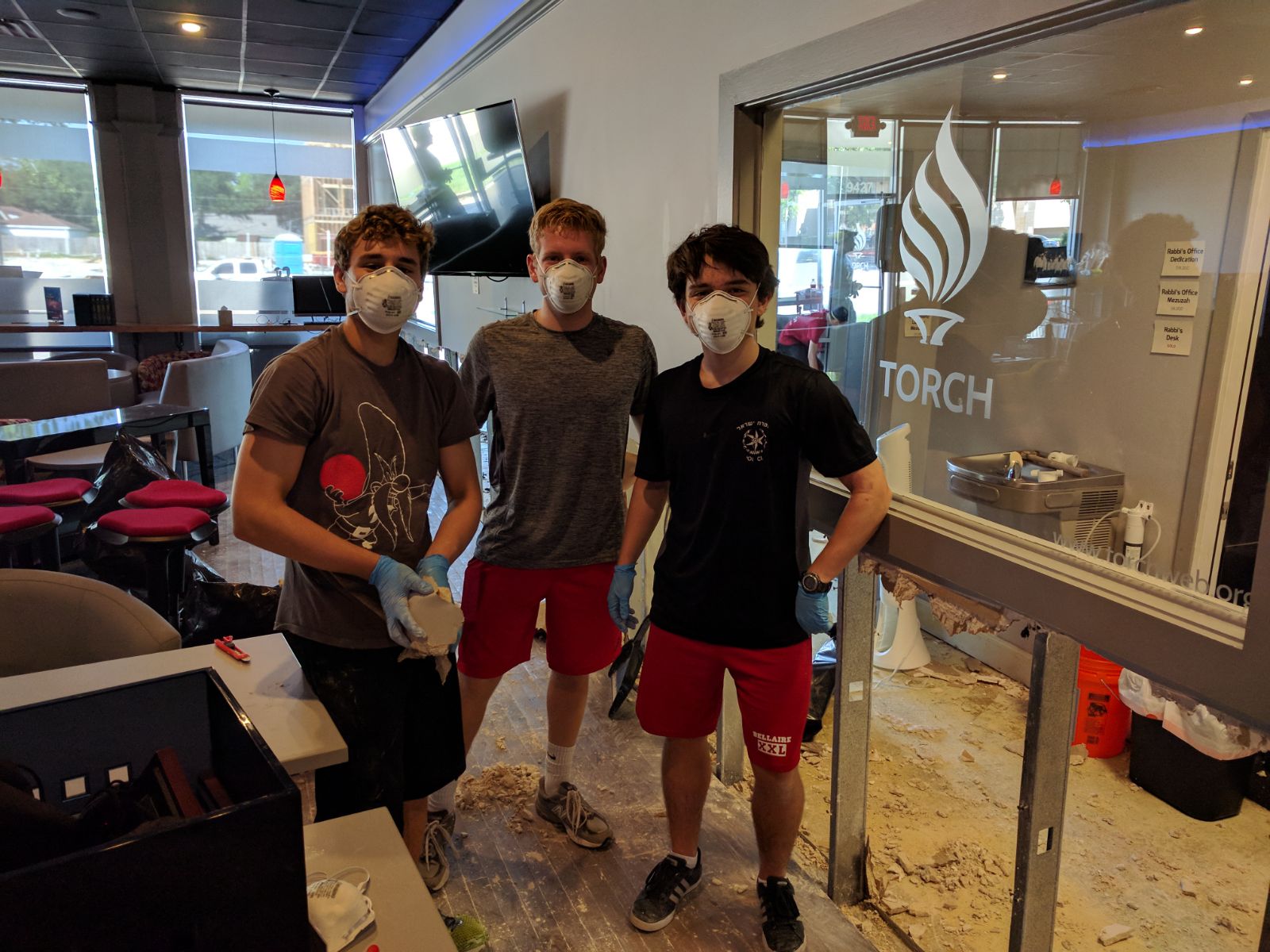
First up: Demo
A-1 Team of Volunteers
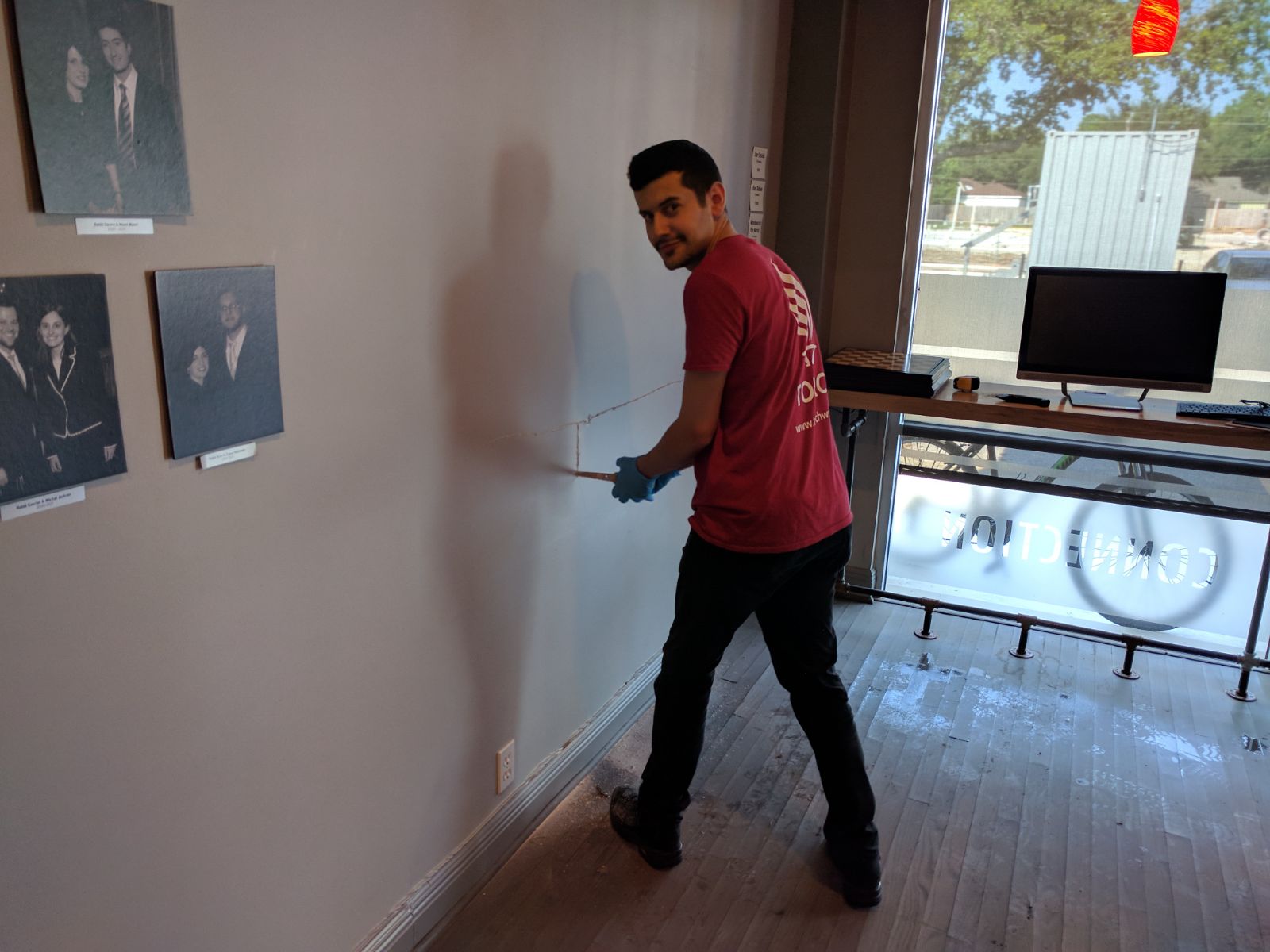
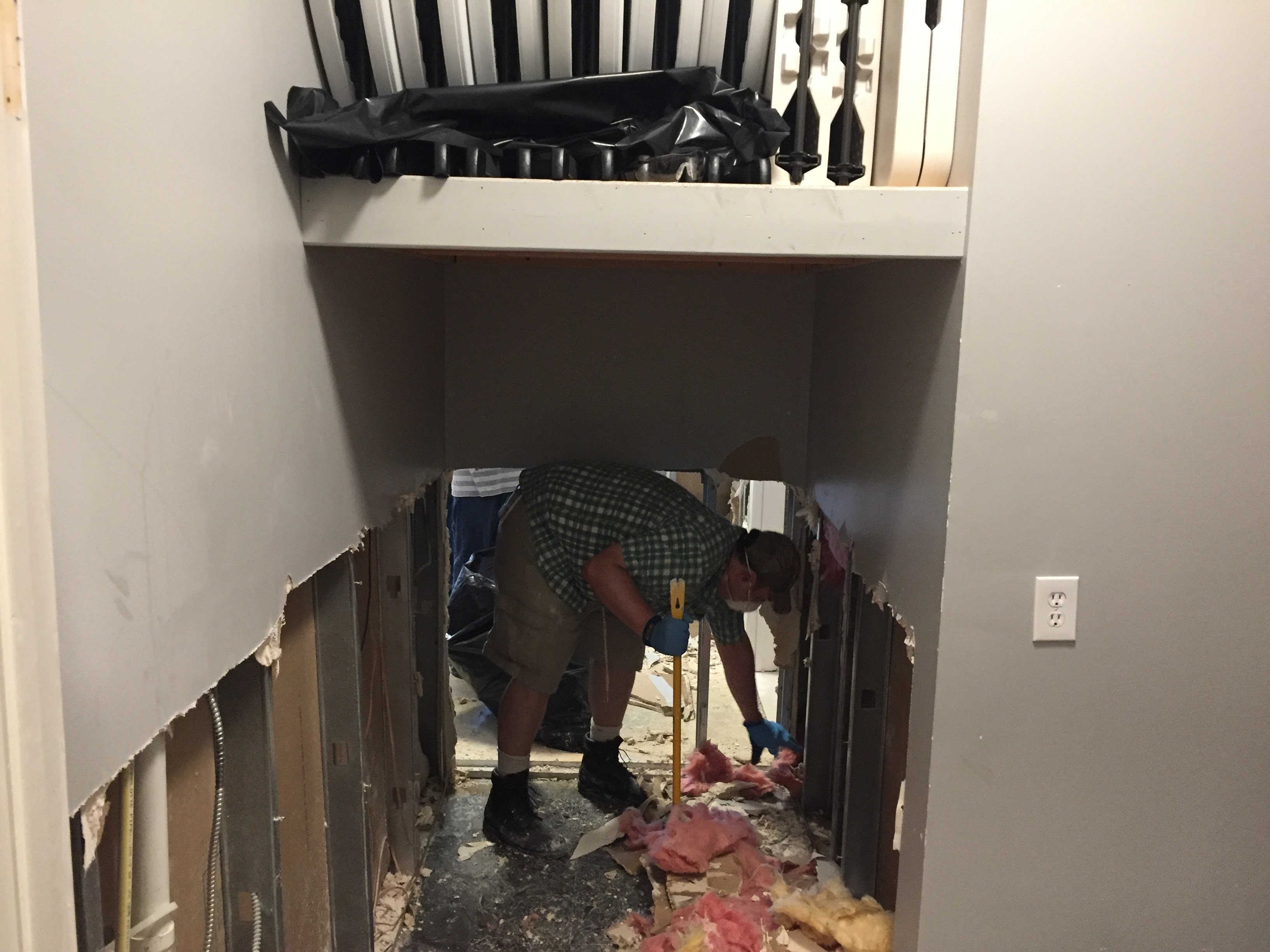
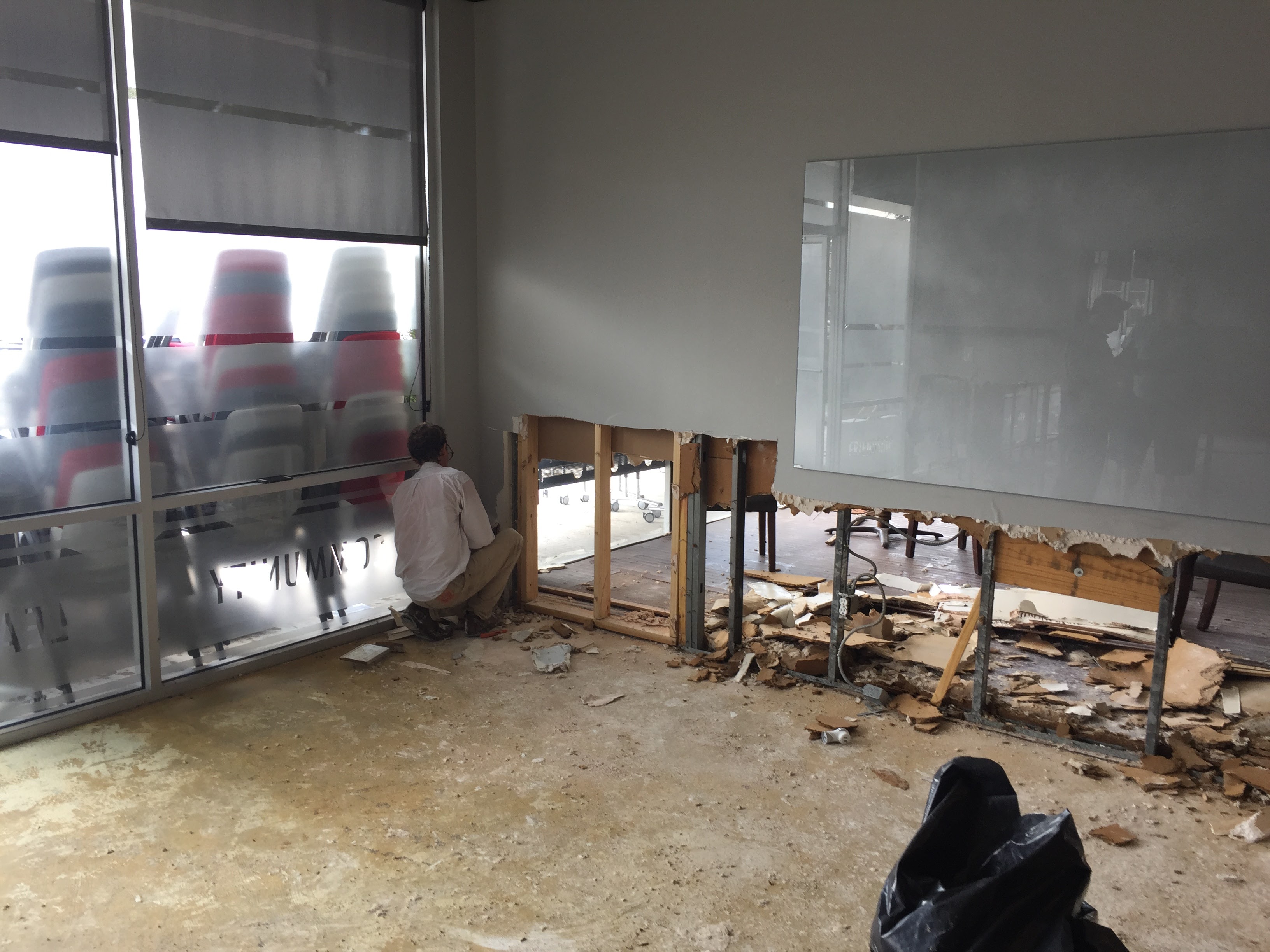
Gutting the drywall
Just the beginning
So sad
Its happening
Piling up the furniture in the middle of the room
Office in disarray
It all has to come down
Clearing out the office
Get your masks on
Hello
Classroom denuded of carpet and walls 🙁
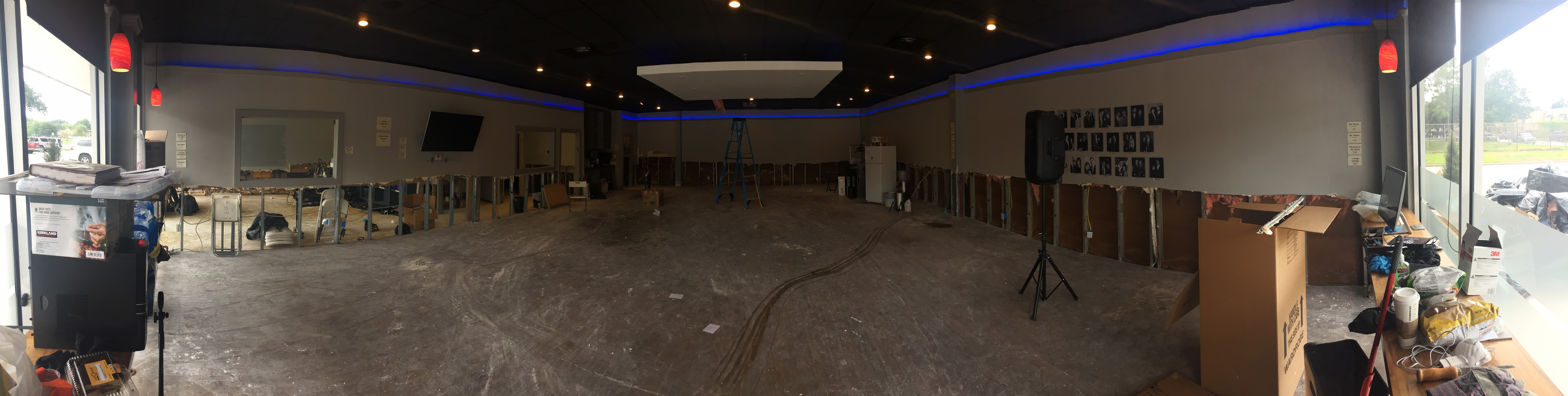
Panoramic picture of the TORCH Centre now
The outpouring of love, care, and support from all over the world in the aftermath of the hurricane has been inspiring and heartwarming. It is comforting to know that others are deeply concerned about our well being.
Please help us rebuild by making a donation at rebuildtorch.com To support the Houston Jewish Federation’s Hurricane Harvey Relief Fund click here
Though Hurricane Harvey is slamming the Houston area, flooding its highways, homes, and business, inundating its rivers and bayous, and causing catastrophic destruction and devastation, at TORCH the Torah study goes on.
Sadly, our TORCH Centre is currently under several feet of water
For the past 40 days, I have participated in “Daf Yomi”, literally “daily page”, a nationwide effort to study the Talmud, one page per day, finishing it every seven and a half year cycle. In this podcast I delineate several powerful and poignant teachings from these 40 pages of Talmud, including the surprising attitude God has to the suffering of evil people; the great lengths our sages went to avoid shaming others; and how to break patterns of destructive and addictive behavior.
In Parshas Shoftim we learn about enactment of judges and a judicial system in Israel. We also learn about the Sanhedrin, its history, and its authority, and what happens when fallible human courts make blunders.
19th Century German Jewry was faced unprecedented, hitherto unseen threats to its continuity. Due to the rise of Reform and the Haskalah movements bent on drawing Jews away from Torah, coupled with the circumstances – the Emancipation and the relaxing of the hostility towards the Jews all over Europe – that enabled assimilation into the greater world, Jews were abandoning Torah at alarming rates. As had happened numerous times in Jewish history, a great, innovative and genius leader arose to adapt Torah to the ethos of the time, to create a new paradigm, a new Weltanschauung, that would stand as a bulwark against assimilation, and was tailored for the people of the time. His name was Rabbi Samson Raphael Hirsch, and his philosophy was couched in the words of the Mishnah in Pirkei Avos – Torah Im Derech Eretz – Torah together with the way of the world.
Parshas Re’eh marks a transition in Devarim. After four sections of Moshe inspiring the nation ahead of his death and their entrance to Israel, the nation is instructed with mitzvos related to their upcoming new world.
Parshas Eikev continues Moshe’s grand Speech to the Nation. In it we learn about how Torah is food for life, and how to love, and about reward and punishment. Please note this class was originally recorded in 2016 and please forgive me if the audio quality is a bit sub par.
The Haskalah movement that swept through European Jewry in the 19th Century, brought about several different responses from what became known as the Orthodox communities. In Hungary, Rabbi Moshe Sofer, known by the name of one his books as the “Chasam Sofer”, championed a zero-tolerance approach of rejecting modernity of all kinds. His motto was – Chadash Assur Min HaTorah, meaning any new innovation is against the Torah. In this podcast we learn about this remarkable figure and his successful efforts to keep the Haskalah at bay.
Parshas Vaeschanan continues where Parshas Devarim left off. Moshe has about a month left to speak to the nation and prepare them for the challenges awaiting them in Canaan.