Author Archives: admin

Human Fallibility and What to do About it (1.1)

The first mishna of Pirkei Avos begins with attributing the first 900 years of the line of transmission of the Torah from Moshe at Sinai until the Men of the Great Assembly. The second sections is three teachings of those great men. What is the connection between these two parts and why was this chosen to be the first mishna of the book?

*This podcast is dedicated in loving memory of Harold Gottlieb. May his soul have an ascent*

– – – – – – – – – – – – – – – – – – – – – –

Please consider making a donation to help fund our Jewish outreach and educational efforts at https://www.torchweb.org/support.php. Thank you!

Contact:

Website: RabbiWolbe.com;
Twitter: @RabbiWolbe;
Facebook: Rabbi Yaakov Wolbe;
Email: rabbiwolbe@gmail.com.

Please SUBSCRIBE, RATE and REVIEW all my podcasts on iTunes and Android:

Podcasts Links iOS:

This Jewish Life – In-Depth Analysis into Critical Torah Topics;
The Jewish History Podcast – Telling the Remarkable story of the Jewish People;
The Parsha Podcast – A Weekly Analysis and Exploration of the Parsha;
TORAH 101 – An Intellectual’s Introduction to Torah

Podcast Links Android:

This Jewish Life – In-Depth Analysis into Critical Torah Topics;
The Jewish History Podcast – Telling the Remarkable story of the Jewish People;
The Parsha Podcast – A Weekly Analysis and Exploration of the Parsha;
TORAH 101 – An Intellectual’s Introduction to Torah

Introducing a New Podcast on Pirkei Avos (Chapters of the Fathers): Eternal Ethics

Dear friends and listeners, I am pleased to announce the launching of a new podcast on Pirkei Avos, Eternal Ethics. Pirkei Avos is the book of Mishna dedicated to giving us the tools to maximize our life, both spiritually and materially. Remarkably, this ancient wisdom was codified nearly 2,000 years ago yet is relevent and useful today. The reason for that is because these teachings are Eternal Ethics, they are part of the divine Torah that does not change. Join me on a journey through this magisterial book and together we will learn the timeless tools to become great people! In this introductory episode we lay out the plan of how we will go about doing it.

– – – – – – – – – – – – – – – – – – – – – –

Please consider making a donation to help fund our Jewish outreach and educational efforts at https://www.torchweb.org/support.php. Thank you!

Contact:

Website: RabbiWolbe.com;
Twitter: @RabbiWolbe;
Facebook: Rabbi Yaakov Wolbe;
Email: rabbiwolbe@gmail.com.

Please SUBSCRIBE, RATE and REVIEW all my podcasts on iTunes and Android:

Podcasts Links iOS:

This Jewish Life – In-Depth Analysis into Critical Torah Topics;
The Jewish History Podcast – Telling the Remarkable story of the Jewish People;
The Parsha Podcast – A Weekly Analysis and Exploration of the Parsha;
TORAH 101 – An Intellectual’s Introduction to Torah

Podcast Links Android:

This Jewish Life – In-Depth Analysis into Critical Torah Topics;
The Jewish History Podcast – Telling the Remarkable story of the Jewish People;
The Parsha Podcast – A Weekly Analysis and Exploration of the Parsha;
TORAH 101 – An Intellectual’s Introduction to Torah

Noach – Lessons from an Enigma

For last year’s podcast on Parshas Noach click HERE. In this podcast we draw three lessons from the Torah’s chracter assesments of Noah.

– – – – – – – – – – – – – – – – – – – – – –

Please consider making a donation to help fund our Jewish outreach and educational efforts at https://www.torchweb.org/support.php. Thank you!

Contact:

Website: RabbiWolbe.com;
Twitter: @RabbiWolbe;
Facebook: Rabbi Yaakov Wolbe;
Email: rabbiwolbe@gmail.com.

Please SUBSCRIBE, RATE and REVIEW all my podcasts on iTunes and Android:

Podcasts Links iOS:

This Jewish Life – In-Depth Analysis into Critical Torah Topics;
The Jewish History Podcast – Telling the Remarkable story of the Jewish People;
The Parsha Podcast – A Weekly Analysis and Exploration of the Parsha;
TORAH 101 – An Intellectual’s Introduction to Torah

Podcast Links Android:

This Jewish Life – In-Depth Analysis into Critical Torah Topics;
The Jewish History Podcast – Telling the Remarkable story of the Jewish People;
The Parsha Podcast – A Weekly Analysis and Exploration of the Parsha;
TORAH 101 – An Intellectual’s Introduction to Torah

Bereishis – Adam and the Fruit Fly

Welcome to Year 2 of the Parsha Podcast. This year’s cycle will differ from last year’s in that we will only pick an angle or an idea from the parsha but will not give a comprehensive overview of the parsha as we did last year. However, last year’s episode [link HERE] will still be available for downloading and streaming. Please send feedback to rabbiwolbe@gmail.com

This podcast will discuss a fascinating Talmudic teaching as to why Adam was created on Friday and after all the other creatures.

– – – – – – – – – – – – – – – – – – – – – –

Please consider making a donation to help fund our Jewish outreach and educational efforts at https://www.torchweb.org/support.php. Thank you!

Contact:

Website: RabbiWolbe.com;
Twitter: @RabbiWolbe;
Facebook: Rabbi Yaakov Wolbe;
Email: rabbiwolbe@gmail.com.

Please SUBSCRIBE, RATE and REVIEW all my podcasts on iTunes and Android:

Podcasts Links iOS:

This Jewish Life – In-Depth Analysis into Critical Torah Topics;
The Jewish History Podcast – Telling the Remarkable story of the Jewish People;
The Parsha Podcast – A Weekly Analysis and Exploration of the Parsha;
TORAH 101 – An Intellectual’s Introduction to Torah

Podcast Links Android:

This Jewish Life – In-Depth Analysis into Critical Torah Topics;
The Jewish History Podcast – Telling the Remarkable story of the Jewish People;
The Parsha Podcast – A Weekly Analysis and Exploration of the Parsha;
TORAH 101 – An Intellectual’s Introduction to Torah

Enveloped by God: Understanding the Festival of Sukkos

The Festival of Sukkos has many moving parts: There is the mitzvah to dwell in a Sukkah for seven days; we are commanded to shake the Four Species on Sukkos; and there is a fascination with the Seventy Nations of the world and their ultimate downfall. In this podcast, we offer a comprehensive perspective of the Festival that also explains its intimate relationship with Yom Kippur and the enigmatic Shmini Atzeres.

– – – – – – – – – – – – – – – – – – – – – –

Please consider making a donation to help fund our Jewish outreach and educational efforts at https://www.torchweb.org/support.php. Thank you!

Contact:

Website: RabbiWolbe.com;
Twitter: @RabbiWolbe;
Facebook: Rabbi Yaakov Wolbe;
Email: rabbiwolbe@gmail.com.

Please SUBSCRIBE, RATE and REVIEW all my podcasts on iTunes and Android:

Podcasts Links iOS:

This Jewish Life – In-Depth Analysis into Critical Torah Topics;
The Jewish History Podcast – Telling the Remarkable story of the Jewish People;
The Parsha Podcast – A Weekly Analysis and Exploration of the Parsha;
TORAH 101 – An Intellectual’s Introduction to Torah

Podcast Links Android:

This Jewish Life – In-Depth Analysis into Critical Torah Topics;
The Jewish History Podcast – Telling the Remarkable story of the Jewish People;
The Parsha Podcast – A Weekly Analysis and Exploration of the Parsha;
TORAH 101 – An Intellectual’s Introduction to Torah

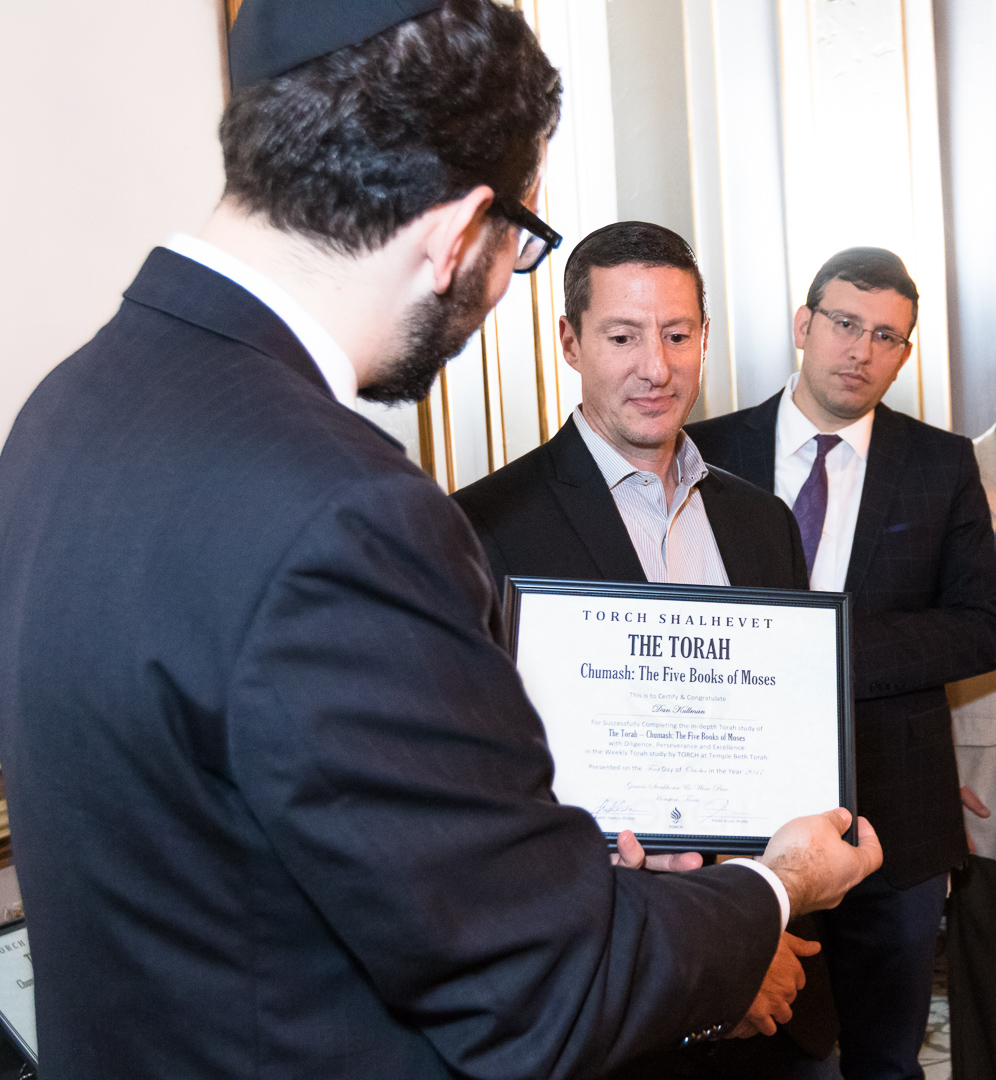
Vezos HaBracha – A Torah Retrospect (Speech at Celebration of Completion of the Torah)

Over the past year we have studied the entire Torah, the five books of Moshe. In this podcast, we try to identify the underlying theme that strings throughout the Torah. What is the overarching theme of Torah and what ought we to take away from the experience of studying it?

– – – – – – – – – – – – – – – – – – – – – –

Please consider making a donation to help fund our Jewish outreach and educational efforts at https://www.torchweb.org/support.php. Thank you!

Contact:

Website: RabbiWolbe.com;
Twitter: @RabbiWolbe;
Facebook: Rabbi Yaakov Wolbe;
Email: rabbiwolbe@gmail.com.

Please SUBSCRIBE, RATE and REVIEW all my podcasts on iTunes and Android:

Podcasts Links iOS:

This Jewish Life – In-Depth Analysis into Critical Torah Topics;
The Jewish History Podcast – Telling the Remarkable story of the Jewish People;
The Parsha Podcast – A Weekly Analysis and Exploration of the Parsha;
TORAH 101 – An Intellectual’s Introduction to Torah

Podcast Links Android:

This Jewish Life – In-Depth Analysis into Critical Torah Topics;
The Jewish History Podcast – Telling the Remarkable story of the Jewish People;
The Parsha Podcast – A Weekly Analysis and Exploration of the Parsha;
TORAH 101 – An Intellectual’s Introduction to Torah

The Great Loophole (Repentance)

Teshuva (Repentance) can be an intimidating and daunting task. Entire volumes are filled with its components and nuances. In this podcast we shine light on a different aspect of Teshuva: Its easy, eminently achievable, and all the factors are in place to enable us to do it.

– – – – – – – – – – – – – – – – – – – – – –

Please consider making a donation to help fund our Jewish outreach and educational efforts at https://www.torchweb.org/support.php. Thank you!

Contact:

Website: RabbiWolbe.com;
Twitter: @RabbiWolbe;
Facebook: Rabbi Yaakov Wolbe;
Email: rabbiwolbe@gmail.com.

Please SUBSCRIBE, RATE and REVIEW all my podcasts on iTunes and Android:

Podcasts Links iOS:

This Jewish Life – In-Depth Analysis into Critical Torah Topics;
The Jewish History Podcast – Telling the Remarkable story of the Jewish People;
The Parsha Podcast – A Weekly Analysis and Exploration of the Parsha;
TORAH 101 – An Intellectual’s Introduction to Torah

Podcast Links Android:

This Jewish Life – In-Depth Analysis into Critical Torah Topics;
The Jewish History Podcast – Telling the Remarkable story of the Jewish People;
The Parsha Podcast – A Weekly Analysis and Exploration of the Parsha;
TORAH 101 – An Intellectual’s Introduction to Torah

Maximizing Yom Kippur

Yom Kippur is associated with prayer and liturgy that we may not understand, very long services and, of course, fasting. Unfortunately, most people are unaware of the power, meaning and opportunity of the day. In this podcast we go back to the very first Yom Kippur. What happened on that day and how is it represented in the holiday? Why is Yom Kippur both a day of the sealing of judgement and the day of atonement? What is the meaning behind the fasting? Listen and familiarize yourself with the true essence and opportunity of the day and learn how to maximize it!

– – – – – – – – – – – – – – – – – – – – – –

Please consider making a donation to help fund our Jewish outreach and educational efforts at https://www.torchweb.org/support.php. Thank you!

Contact:

Website: RabbiWolbe.com;
Twitter: @RabbiWolbe;
Facebook: Rabbi Yaakov Wolbe;
Email: rabbiwolbe@gmail.com.

Please SUBSCRIBE, RATE and REVIEW all my podcasts on iTunes and Android:

Podcasts Links iOS:

This Jewish Life – In-Depth Analysis into Critical Torah Topics;
The Jewish History Podcast – Telling the Remarkable story of the Jewish People;
The Parsha Podcast – A Weekly Analysis and Exploration of the Parsha;
TORAH 101 – An Intellectual’s Introduction to Torah

Podcast Links Android:

This Jewish Life – In-Depth Analysis into Critical Torah Topics;
The Jewish History Podcast – Telling the Remarkable story of the Jewish People;
The Parsha Podcast – A Weekly Analysis and Exploration of the Parsha;
TORAH 101 – An Intellectual’s Introduction to Torah

The Core Theme of Rosh Hashana

Rosh Hashana is the anniversary of the creation of man. It is also the Day of Judgement. What are the various elements and themes of the day and how do they interrelate?

– – – – – – – – – – – – – – – – – – – – – –

Please consider making a donation to help fund our Jewish outreach and educational efforts at https://www.torchweb.org/support.php. Thank you!

Contact:

Website: RabbiWolbe.com;
Twitter: @RabbiWolbe;
Facebook: Rabbi Yaakov Wolbe;
Email: rabbiwolbe@gmail.com.

Please SUBSCRIBE, RATE and REVIEW all my podcasts on iTunes and Android:

Podcasts Links iOS:

This Jewish Life – In-Depth Analysis into Critical Torah Topics;
The Jewish History Podcast – Telling the Remarkable story of the Jewish People;
The Parsha Podcast – A Weekly Analysis and Exploration of the Parsha;
TORAH 101 – An Intellectual’s Introduction to Torah

Podcast Links Android:

This Jewish Life – In-Depth Analysis into Critical Torah Topics;
The Jewish History Podcast – Telling the Remarkable story of the Jewish People;
The Parsha Podcast – A Weekly Analysis and Exploration of the Parsha;
TORAH 101 – An Intellectual’s Introduction to Torah

Ha’azinu – The Song of History

On the final day of his life, Moshe gathers the nation and sketches out the cycles of history both past and future in a poetic, song like way, all the while providing indispensable lessons.

– – – – – – – – – – – – – – – – – – – – – –

Please consider making a donation to help fund our Jewish outreach and educational efforts at https://www.torchweb.org/support.php. Thank you!

Contact:

Website: RabbiWolbe.com;
Twitter: @RabbiWolbe;
Facebook: Rabbi Yaakov Wolbe;
Email: rabbiwolbe@gmail.com.

Please SUBSCRIBE, RATE and REVIEW all my podcasts on iTunes and Android:

Podcasts Links iOS:

This Jewish Life – In-Depth Analysis into Critical Torah Topics;
The Jewish History Podcast – Telling the Remarkable story of the Jewish People;
The Parsha Podcast – A Weekly Analysis and Exploration of the Parsha;
TORAH 101 – An Intellectual’s Introduction to Torah

Podcast Links Android:

This Jewish Life – In-Depth Analysis into Critical Torah Topics;
The Jewish History Podcast – Telling the Remarkable story of the Jewish People;
The Parsha Podcast – A Weekly Analysis and Exploration of the Parsha;
TORAH 101 – An Intellectual’s Introduction to Torah

Is Repentance Easy?

“Giving up smoking is the easiest thing in the world. I know because I’ve done it thousands of times.” – Mark Twain

Is it easy to change behavior? Is it easy to repent? In Parshas Nitzavim we see conflicting stances on this matter. In one verse (30:2), repentance is described in a similar way to martyrdom: “And you shall return (repent) to Hashem your God, and you shall hearken to his voice as all that I command you today, you and your sons, with all your hearts and with all your soul.” Reb Chaim Volozhiner notes the overlapping word usage with the verse in Shema, “And you shall love Hashem your God… with all your soul”, which Chazal explain to mean that we must even forfeit our lives for the love of our Creator. By utilizing the same verbiage for repentance, the verse is hinting that changing behavior and adopting a new way of life is akin to the ultimate self-sacrifice. Walking away from ingrained character and behavior demands similar courage, resolve and intestinal fortitude as allowing oneself to die for God. Apparently, repentance is pretty hard. That sentiment is likely shared by those who are intimidated by the myriad components and draconian conditions necessary for complete repentance of Rambam’s “Laws of Repentance” and Rabbeinu Yonah’s “Gates of Repentance.”   

Contrast that with a string of verses (30:11-14) later on in the chapter, describing an inordinately easy mitzvah: “This mitzvah that I command you today – it is not hidden from you, nor is it distant. It is not in the Heavens that you may say, ‘who will ascend to Heaven, and take it for us, and teach it to us, so that we may do it’. Nor is it across the sea that we may say, ‘who will cross the sea for us, and take it for us, and teach it to us, so that we may do it’. Rather, the matter is exceedingly close to you, in your mouth and in your heart to do it.” While the verses themselves do not explicitly identify which mitzvah is being referenced, the great commentaries do. Rashi explains that it refers to the mitzvah of Torah. Ramban disagrees and interprets the verse to be referring to the mitzvah of repentance. How can we understand labeling repentance as being so easy – “In your mouth and in your heart”? Also, how can it simultaneously be exceedingly difficult?

Another point to ponder is the characterization (30:6) of repentance as “circumcision of the heart.” What is intended by this odd classification?  

What is the essence of repentance? There is a misconception that repentance is exclusively sin-centric: To repent you must act in opposition to the sin. My grandfather, Rabbi Shlomo Wolbe זצוקללה”ה, explained that this was precisely the miscalculation of the maapilim (Bamidbar 14:44), the Jews that defiantly attempted to ascend to Israel after the Almighty decreed that the nation will languish in the wilderness for 40 years due to the sin of the Spies, only to be slaughtered by Amalek. Their decision was not without reason. They assessed that the core of the sin of the Spies was resistance to enter the Land of Israel and even proposing to return to Egypt (14:4), and therefore attempting to enter Israel in disregard of the entailed dangers can be the only remedy.  But they were mistaken. Repentance, Teshuva, means to return to the Almighty and to His Will. At that time His Will mandated that they remain in the wilderness for 40 years, and thus accepting that was the correct avenue to repentance. My grandfather would also invoke this notion with regard to the repentance of Rosh Hashana. The days of Rosh Hashana make up the first two of the “Ten Days of Repentance” yet unlike Yom Kippur, there is nary a mention of sin. At its root, repentance is returning to your Creator. On Rosh Hashana that is manifest by us coronating Him as King of the world, and on Yom Kippur the same objective is approached from a different angle by addressing sin.

Given that repentance is about man achieving closeness to his Creator, the process of repentance is bridging the gap between man and the Almighty, between the created and the Creator. Hence, the degree of difficulty in achieving it is contingent upon the distance between the two. In essence, the question of, “Is repentance easy or hard?” is precisely the same question as, “Is man close or distant from the Almighty?” The answer to the latter question hinges upon which of the disparate elements of man is being referenced. The “body” of man, the physicality, the ephemeral – has no commonality with the Almighty. However, our Neshama (Soul) is very similar to its Creator. In one teaching in the Talmud (Brachos 10a), five parallels between the Almighty and the Neshama of man are enumerated; another (Niddah 30b) plainly equates the purity of the two. As such, we indeed have an element of our being that is already extremely close to the Almighty and thus repentance for it is natural and seamless.

With this understanding, the conflicting messages about the difficulty of repentance can be reconciled. It is true that repentance is really difficult. By default we identify as an ephemeral body, and in that state repentance is unachievable. To repent we must shed ourselves clean of that attitude and identity. That is a painful process, akin to martyrdom. However, once we identify as our true and lasting element of self, our Neshama, we are already in close proximity to our Creator, and have achieved repentance. This process is illustrated by the circumcision of the heart. We already have everything that is needed to be close to the Almighty, it is just concealed. All we must do to reach our goal is to peel away the inhibiting factors, and reveal our true self that was all ready to go, lying dormant and awaiting liberation.  

This is a helpful and heartening thought to take with us during the season of repentance. It is very difficult to repent. But it is comforting to know that all we are really doing is clearing out the path for our true self to shine. It may be back-breaking labor to dig out buried treasure, but it’s made easier knowing that the treasure is there, and it is complete, and once it is unearthed it’s yours.